
Know your alerts
Tornado Warning vs Tornado Watch
A tornado watch means tornadoes are possible in and near your area over the next several hours. A tornado warning means a tornado has been sighted or indicated by radar — take shelter now.
The watch
What a tornado watch means
The Storm Prediction Center issues a tornado watch for counties where tornadoes and other severe weather are possible in the next several hours. The watch area is typically large — numerous counties or even states. A watch is your signal to prepare: review your emergency plan, take inventory of your supplies, check your safe room, and be ready to act quickly if a warning is issued.
The warning
What a tornado warning means
Your local National Weather Service office issues a tornado warning when a tornado has been sighted or indicated by weather radar. There is imminent danger to life and property. Warnings cover a much smaller area — around the size of a city or small county. A warning is your signal to take shelter immediately.
At a glance
Tornado alerts ranked by urgency
| Alert | Meaning | Your action |
|---|---|---|
| Tornado Watch | Tornadoes possible in and near the watch area | Prepare, stay alert |
| Tornado Warning | Tornado sighted or indicated by radar | Take shelter now |
| Tornado Emergency | A violent tornado has touched down; catastrophic damage confirmed | Seek the safest shelter immediately |
Shelter
Where to take shelter
- At home: go to your basement, safe room, or an interior room on the lowest floor, away from windows.
- At work or school: follow your tornado drill; avoid large open rooms such as cafeterias, gymnasiums and auditoriums.
- Mobile home, shed or tent: none of these is safe. If you have time, get to a sturdy building.
- In a vehicle: a vehicle is not safe in a tornado. Drive to the closest shelter if you can. If you can't, either get down in the car and cover your head, or abandon it for a low-lying area such as a ditch or ravine. Do not try to outrun a tornado.
Hurricanes
How tornadoes relate to hurricanes
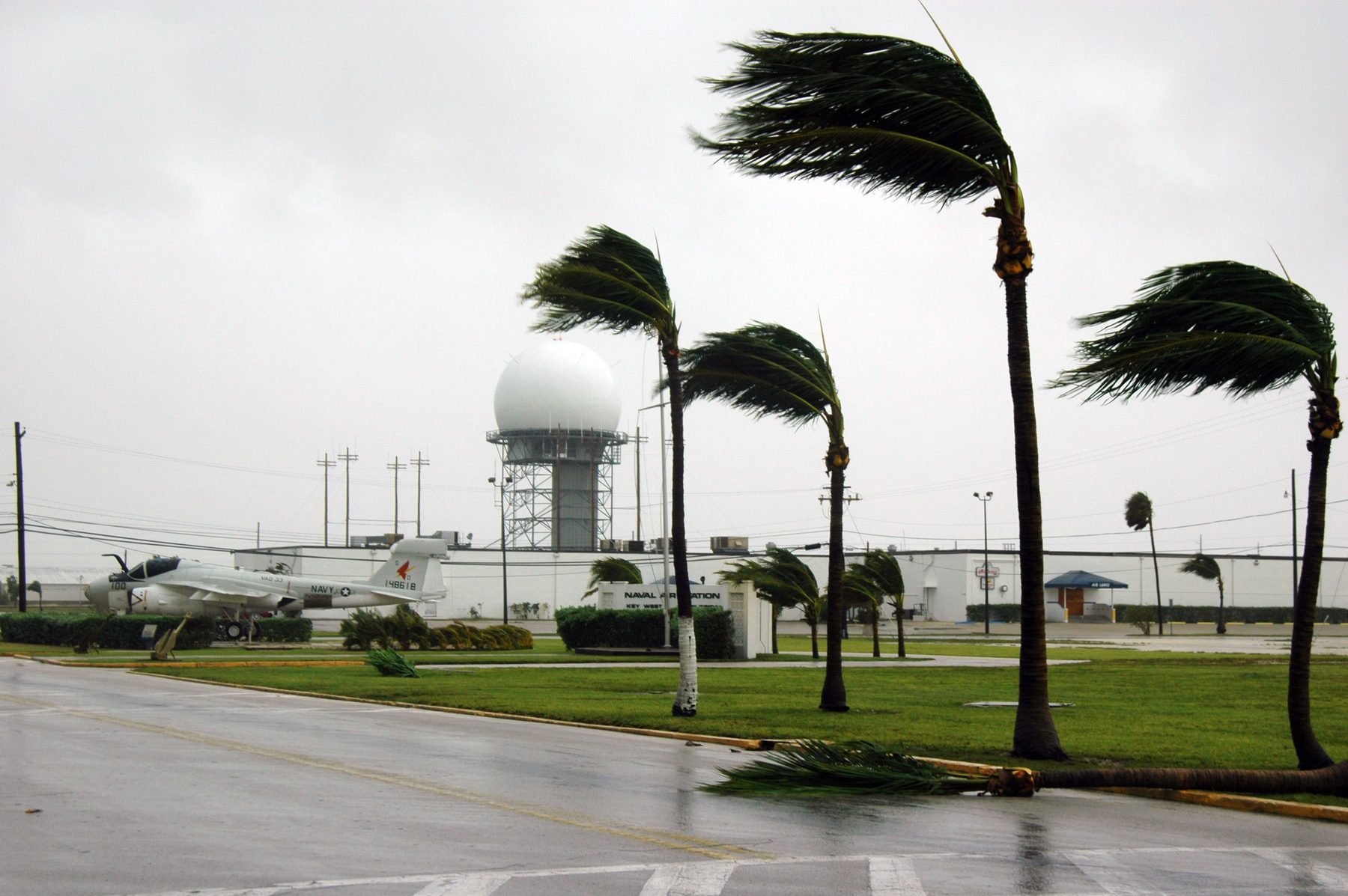
Hurricanes and tropical storms often — but not always — produce tornadoes, mostly in the outer rain bands on roughly the eastern half of the storm. They tend to be smaller and shorter-lived than tornadoes in the Midwest, which makes them harder to detect on radar and harder to warn for. If a hurricane is approaching your area, monitor both hurricane tracking and local tornado alerts. See also our guide on hurricane categories.
FAQ
Common questions
What is the difference between a tornado watch and a tornado warning?
A tornado watch means tornadoes are possible over the next several hours — prepare. A tornado warning means a tornado has been sighted or indicated by radar — take shelter immediately.
How big is a tornado watch?
A tornado watch typically covers a large area — numerous counties or even states — for the next several hours. A tornado warning covers a much smaller area, around the size of a city or small county.
What should I do during a tornado warning?
Take shelter immediately in a basement, safe room, or interior room on the lowest floor, away from windows. If you are in a mobile home, get to a sturdy building if you have time.
Can hurricanes cause tornadoes?
Often, but not always. Hurricane tornadoes mostly form in the outer rain bands on roughly the eastern half of the storm, and they tend to be small and short-lived, which makes them harder to warn for.
Next
Hurricanes bring tornadoes, wind and water together — learn the wind alerts in hurricane watch vs. warning, the water hazards in flood warning vs. watch, and get ready with the hurricane prep checklist.
Sources
Every safety-critical and quantitative claim on this page is drawn from these primary sources. Guidance can change — follow your local emergency management for decisions where you are.
- Tornado Watch vs. Tornado Warning — NOAA / National Weather Service. https://www.weather.gov/safety/tornado-ww
- During a Tornado — NOAA / National Weather Service. https://www.weather.gov/safety/tornado-during
- The Online Tornado FAQ — NOAA / Storm Prediction Center. https://www.spc.noaa.gov/faq/tornado/
HurriTrack is an independent guide for general awareness and is not an official source. For any safety decision, follow NHC, the National Weather Service and your local emergency management.