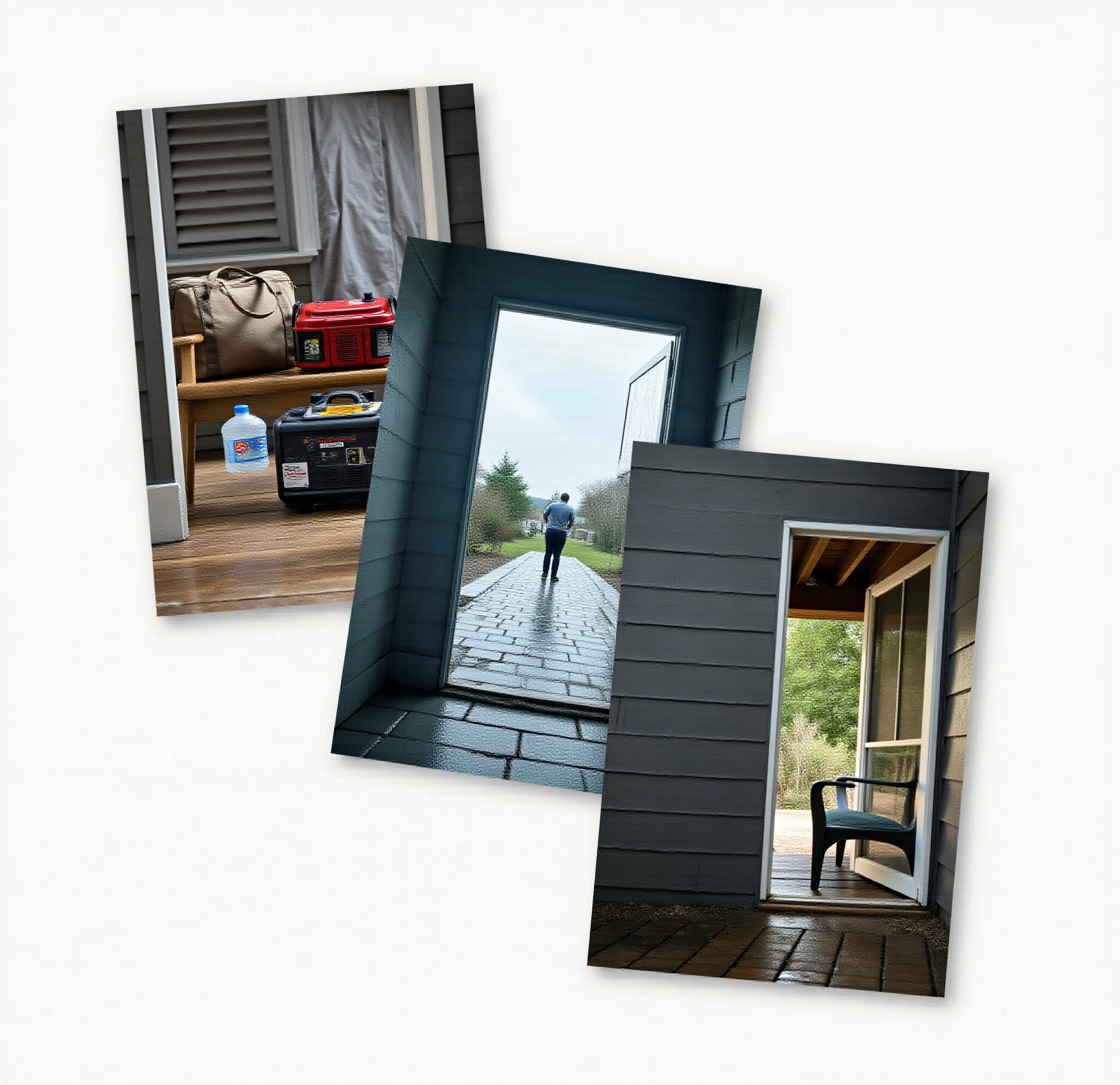
Be ready before it's named
Hurricane Prep Checklist 2026
Everything to do before a hurricane — a plain-English checklist you can run in an afternoon. Build it once, at the start of the season, so you're not in a panic when a watch goes up.
The 2026 Atlantic season at a glance
Per NOAA's Climate Prediction Center outlook, the 2026 season is expected to be below-normal: roughly 8–14 named storms, of which 3–6 become hurricanes and 1–3 reach major (Category 3+) strength, with El Niño expected to suppress activity. The season officially runs June 1 to November 30, and activity climbs to a climatological peak around September 10 — about two-thirds of it falls between August 20 and October 10.
Outlook figures reflect NOAA's pre-season forecast; NOAA issues an updated outlook in early August. Last reviewed 5 July 2026 — check the CPC page for current numbers.
A quieter forecast is not a quiet year where you live — it only takes one storm to make landfall near you. The cheapest insurance is to prepare now, before any storm is named.
Start here
The 10-minute basics
- Find your evacuation zone. Look up your address on your county/state emergency-management site. Surge zones are about flooding, not wind.
- Pick a plan. Where would you go, which route, and who's the out-of-town contact everyone checks in with?
- Photograph your home and belongings. A quick video walk-through is gold for an insurance claim later.
- Turn on alerts. Enable Wireless Emergency Alerts on your phone and sign up for local notifications.
The kit
Your hurricane kit
Aim for at least 3–7 days of self-sufficiency — power and water can be out for a week after a major storm.
- Water — one gallon per person per day, 3+ days (don't forget pets).
- Non-perishable food — 3–7 days, plus a manual can opener.
- Power — a portable power station or generator, with fuel. Run fuel generators outdoors only, far from windows.
- Light — flashlights and lanterns, plus spare batteries (candles are a fire risk).
- NOAA weather radio — battery or hand-crank, so you get alerts when cell service drops.
- First-aid kit + 7 days of medication — refill prescriptions before the storm.
- Phone chargers + power banks — charged in advance; a car charger as backup.
- Cash in small bills — ATMs and card readers fail in outages.
- Documents in a waterproof bag — IDs, insurance policies, deeds, medication list.
- Hygiene & sanitation — plus baby, elderly, and pet supplies as needed.
Your home
Protect your home
- Fill the gas tank and charge every device while power is still on.
- Secure or bring in outdoor furniture, grills, bins, and anything that can become a projectile.
- Cover windows with storm shutters or plywood; tape does not stop breakage.
- Clear drains and gutters, and know where your water shut-off is.
- Sandbags or flood barriers if you're in a flood-prone spot; test your sump pump.
- Freeze water jugs — they keep the fridge cold longer and become drinking water.
If the order comes
If you're told to evacuate
- Go early. Roads jam and shelters fill; leaving before the order is better than after.
- Take the kit, your documents, medications, and your pets. Many shelters now accept pets — confirm which.
- Never drive through floodwater. "Turn around, don't drown" — most flood deaths happen in vehicles.
When it passes
After the storm
- Stay away from downed power lines and standing water — it can be electrified or contaminated.
- Carbon-monoxide safety. Keep generators and grills outside and well away from windows; CO is invisible and deadly.
- Document damage with photos before you clean up, and contact your insurer early.
- Check on neighbors, especially older adults and anyone medically vulnerable.
FAQ
Common questions
When should I start preparing?
Before a storm is ever named — ideally at the start of the season. Once a watch is posted, stores sell out of water, batteries, and fuel within hours.
What's the one thing people forget?
Cash, a manual can opener, prescription refills, and copies of key documents. All four are easy to overlook and painful to be without.
Where do I find my evacuation zone?
Search your county or state emergency-management site for "evacuation zone lookup" and enter your address. Zones are based on storm-surge flooding, so they can differ block to block.
Next
A storm is out there and you're not sure how worried to be? Read Will it hit me? How to read the forecast. Running a generator? Read generator safety and avoiding carbon monoxide first. Travelling soon? See Should I cancel my trip? And when storms are active, the live HurriTrack map shows whether one is heading your way.
HurriTrack is an independent guide for general awareness and is not an official source. For any safety decision, follow NHC and your local emergency management.
Getting ready before a storm