
Know your alerts
Tornado Watch vs Warning: What Each Means and What to Do
A tornado watch means prepare: tornadoes are possible in and near the watch area. A tornado warning means act now: a tornado has been sighted or indicated by weather radar.
Be prepared
What a tornado watch means
The Storm Prediction Center issues a tornado watch when tornadoes are possible in and near the watch area. It usually covers a large area, such as numerous counties or states. Review your emergency plan, check your supplies and safe room, and make sure you can receive later warnings. Be ready to act quickly.
Take action
What a tornado warning means
A local National Weather Service office issues a tornado warning when a tornado has been sighted or indicated by weather radar. There is imminent danger to life and property in the warned area. Warnings typically cover a much smaller area than watches. Take shelter immediately.
At a glance
Tornado watch vs warning
| Alert | What it means | Who issues it | What to do |
|---|---|---|---|
| Tornado Watch | Tornadoes are possible in and near the watch area | Storm Prediction Center | Prepare and be ready to act quickly |
| Tornado Warning | A tornado has been sighted or indicated by radar | Local National Weather Service office | Take shelter immediately |
Shelter
What to do during a tornado warning
- In a sturdy building: move to an interior room on the lowest floor and avoid windows.
- At work or school: follow the site's tornado plan and avoid large open rooms such as gymnasiums and auditoriums.
- In a mobile home: Move to a sturdy building or storm shelter before severe weather arrives. If a warning finds you in a mobile home, leave for nearby sturdy shelter if you can safely reach it. If no sturdy shelter is safely reachable, move to a nearby low-lying area away from the mobile home if you can reach it safely; lie flat, cover your head, and avoid floodwater.
- In a vehicle: If you can safely reach a nearby sturdy shelter, go there. Do not try to outrun a tornado. If shelter is not safely reachable, pull over and park. As last resorts, stay in the vehicle with your seat belt on, head below the windows and covered, or, if you can safely get noticeably lower than the roadway, leave the vehicle and lie there covering your head. Watch for flooding and avoid overpasses.
- Outdoors: Get into a nearby sturdy building if time and conditions allow. If no shelter is safely reachable, seek a nearby low-lying area, lie flat and cover your head. Avoid floodwater and stay away from vehicles and highway overpasses.
- After taking shelter: keep monitoring official local updates. Do not leave shelter just because one warning has expired; another may follow.
Tropical systems
Can hurricanes cause tornadoes?
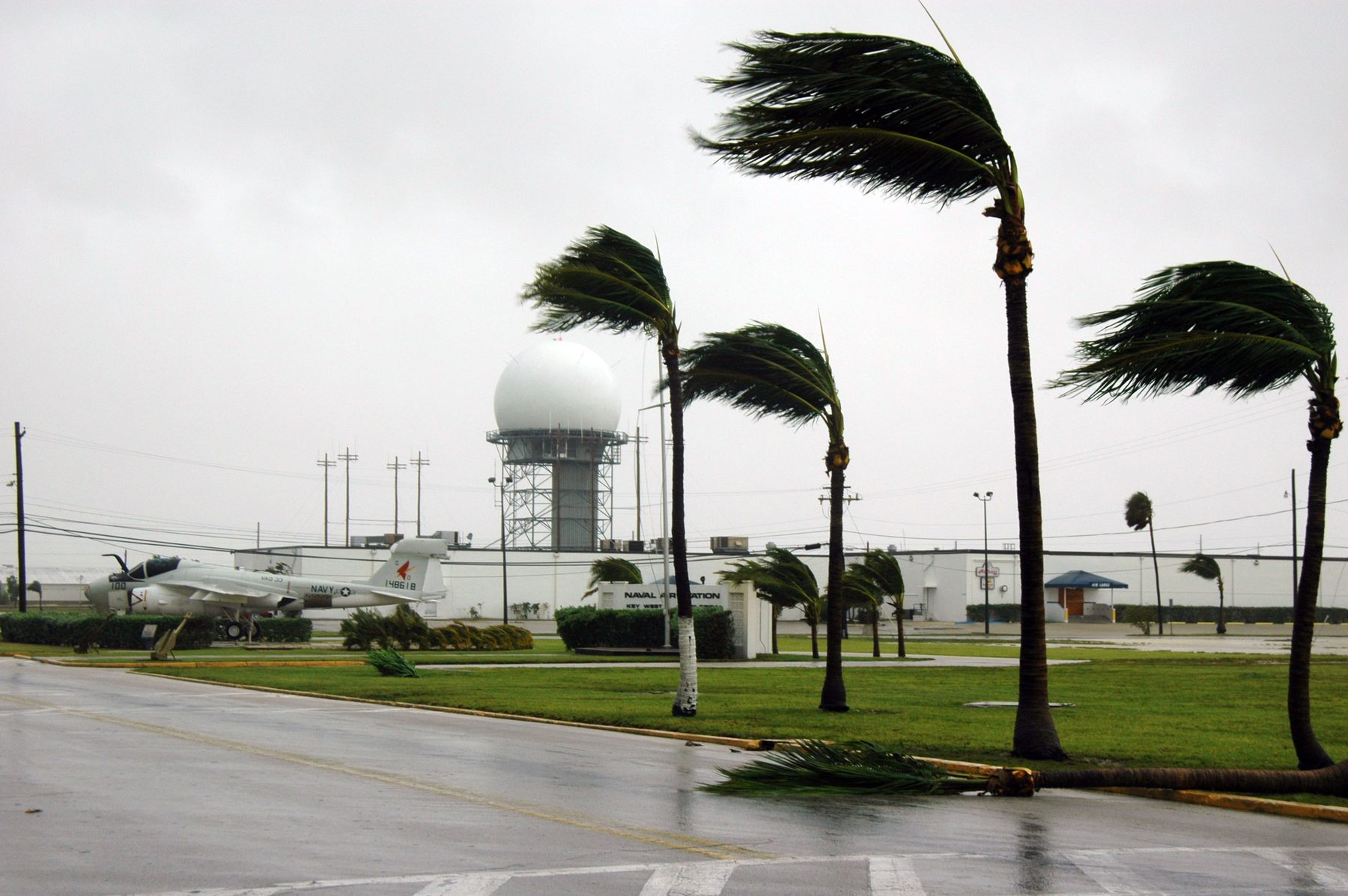
Yes. Hurricanes and tropical storms can produce tornadoes, so a tropical forecast can come with a separate tornado threat. Monitor both the National Hurricane Center forecast and your local National Weather Service alerts. Learn the wind alerts in our hurricane watch vs warning guide and the rainfall alerts in flood watch vs warning vs advisory.
FAQ
Common questions
Which is worse, a tornado watch or a tornado warning?
A tornado warning requires immediate action. A watch means tornadoes are possible and you should prepare; a warning means a tornado has been sighted or indicated by radar and you should take shelter immediately.
Who issues tornado watches and warnings?
NOAA's Storm Prediction Center issues tornado watches. Local National Weather Service forecast offices issue tornado warnings.
What should I do during a tornado warning?
In a sturdy building, go to a basement, safe room, or small interior room on the lowest floor, away from windows, and protect your head. From a mobile home, vehicle, or outdoors, reach a nearby sturdy shelter if you can do so safely; otherwise use the safest available last-resort protection, cover your head, and avoid floodwater and overpasses.
What if I am in a vehicle during a tornado warning?
If you can safely reach a nearby sturdy shelter, go there. Do not try to outrun a tornado. If shelter is not safely reachable, pull over and park. As last resorts, stay in the vehicle with your seat belt on, head below the windows and covered, or, if you can safely get noticeably lower than the roadway, leave the vehicle and lie there covering your head. Watch for flooding and avoid overpasses.
What if I am in a mobile home during a tornado warning?
Move to a sturdy building or storm shelter before severe weather arrives. If a warning finds you in a mobile home, leave for nearby sturdy shelter if you can safely reach it. If no sturdy shelter is safely reachable, move to a nearby low-lying area away from the mobile home if you can reach it safely; lie flat, cover your head, and avoid floodwater.
What if I am outdoors during a tornado warning?
Get into a nearby sturdy building if time and conditions allow. If no shelter is safely reachable, seek a nearby low-lying area, lie flat and cover your head. Avoid floodwater and stay away from vehicles and highway overpasses.
Can hurricanes cause tornadoes?
Yes. Hurricanes and tropical storms can produce tornadoes. When one threatens your area, monitor local National Weather Service tornado alerts as well as the tropical forecast.
Compare the alert levels
Return to the alert terminology hub, or go directly to flood watch, warning and advisory or hurricane watch vs warning. Get ready with the hurricane prep checklist.
Sources
Every safety-critical claim on this page is drawn from these primary sources. Guidance can change; follow your local National Weather Service office and emergency management for decisions where you are.
- Tornado Watch vs. Tornado Warning — NOAA / National Weather Service. https://www.weather.gov/safety/tornado-ww
- During a Tornado — NOAA / National Weather Service. https://www.weather.gov/safety/tornado-during
- Tornado Safety Rules — NOAA / National Weather Service. https://www.weather.gov/bmx/sps_torsafetyrules
- About Tornadoes — NOAA / National Weather Service. https://www.weather.gov/ffc/torntext
- The Online Tornado FAQ — NOAA / Storm Prediction Center. https://www.spc.noaa.gov/faq/tornado/
HurriTrack is an independent guide for general awareness and is not an official source. For any safety decision, follow the National Weather Service and your local emergency management.